
Somewhere along the way “AI porn” became shorthand for typing a paragraph into a box and getting back a woman who has never existed. That’s the version that makes headlines. It’s also the version most people try once and quietly abandon, and I think the reason is simple: a generated stranger is still a stranger. Nothing about her is yours. You look, you shrug, you close the tab.
The tools people keep coming back to run in the opposite direction. They start with a photo that already exists — yours — and change only what you ask them to.
Doesn’t sound like a big deal until you’ve seen the difference. A prompt asks the machine to invent everything: face, body, room, light. A photo hands it all of that for free and narrows the job down to the one thing you want different. The face and the room are already real, so what comes back isn’t an AI’s idea of somebody, it’s the picture you wished you had of someone specific. Anyone who has tried both knows the two results don’t land in the same universe.
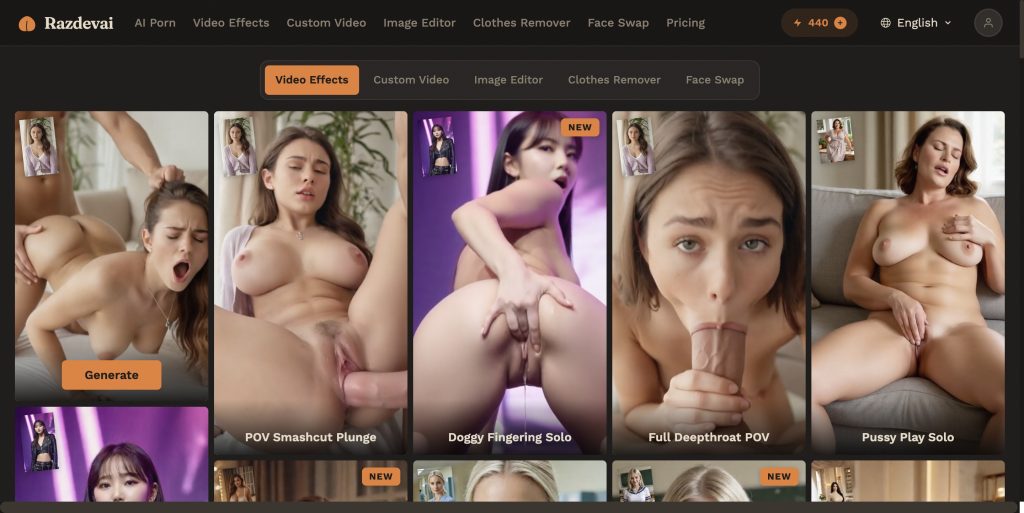
And a single photo goes surprisingly far now. For most people the first stop is running it through a remove clothes AI, since that’s the doorway everyone walks in through. From the same frame you can put a different face on the body, or redress and restage the whole scene while the person stays recognizably themselves. The newest trick is my favorite: hand the finished still to a video model and it comes back moving. A short clip with actual motion in it, grown out of one frame.
Not long ago every one of those steps lived on its own site with its own login and its own watermark, and you shuffled files between them like a courier. The current crop of AI porn generator platforms finally collapsed that into one chain: upload once, edit it, swap it, animate it, redo whichever step fell short. Convenience sounds like a boring selling point until you remember what the export-and-reupload loop felt like.
If any of this is on your list to try, one piece of advice, learned slowly: spend your effort choosing the photo, not choosing the tool. A clear, bright shot where you can actually see the person. Every step downstream inherits whatever you start with, and most “the AI screwed it up” complaints trace back to a blurry input shot in a dark room. Give the machine a picture that already means something to you. That’s when this stuff stops being a party trick.